How to have a bird-friendly visit to the beach
Monomoy National Wildlife Refuge
Even Good Dogs Frighten Beach Birds!
Even the best-behaved dogs look like predators to the shorebirds who call these beaches home. By choosing to bring your dog elsewhere, you can share the shore with these amazing birds by allowing them to feed, nest, and rest in peace.
No Dogs on This Site
Dogs are never allowed on Monomoy’s offshore islands (North Monomoy, South Monomoy, and Minimoy). Dogs are not allowed on the Morris Island unit (located on the mainland in the town of Chatham) from May 1 – September 15.
The sight and smell of both leashed and off-leash dogs can scare shorebirds. Keeping dogs off the beaches at Monomoy allows birds to focus their energy on the most important things: fueling for migration and protecting their nests and chicks from real predators.
See the link below for a list of dog-friendly beaches, parks, and trails to bring your pup!
Visit some of our favorite nearby spots:
- Kate Gould Park
- Chase Park
- Old Colony Rail Trail
An Important Place for Birds
Here are at Monomoy National Wildlife Refuge (NWR), wildlife conservation is at the core of everything we do. After all, the NWR System is the only system of federal lands in the U.S. with the primary mission of wildlife conservation.
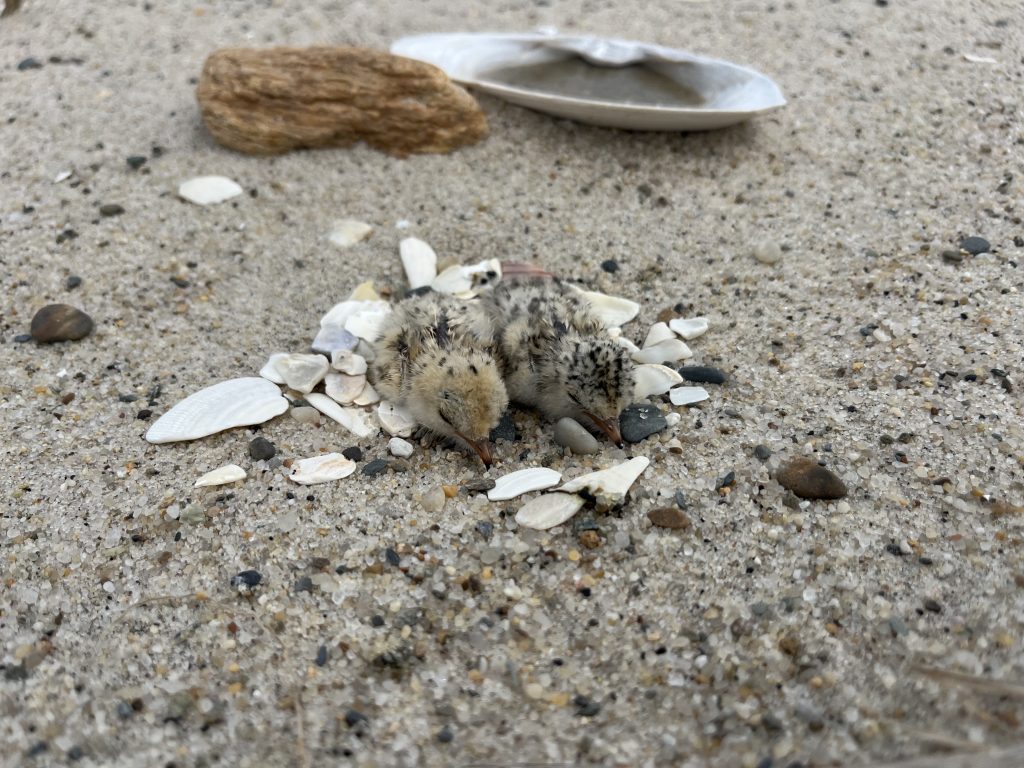
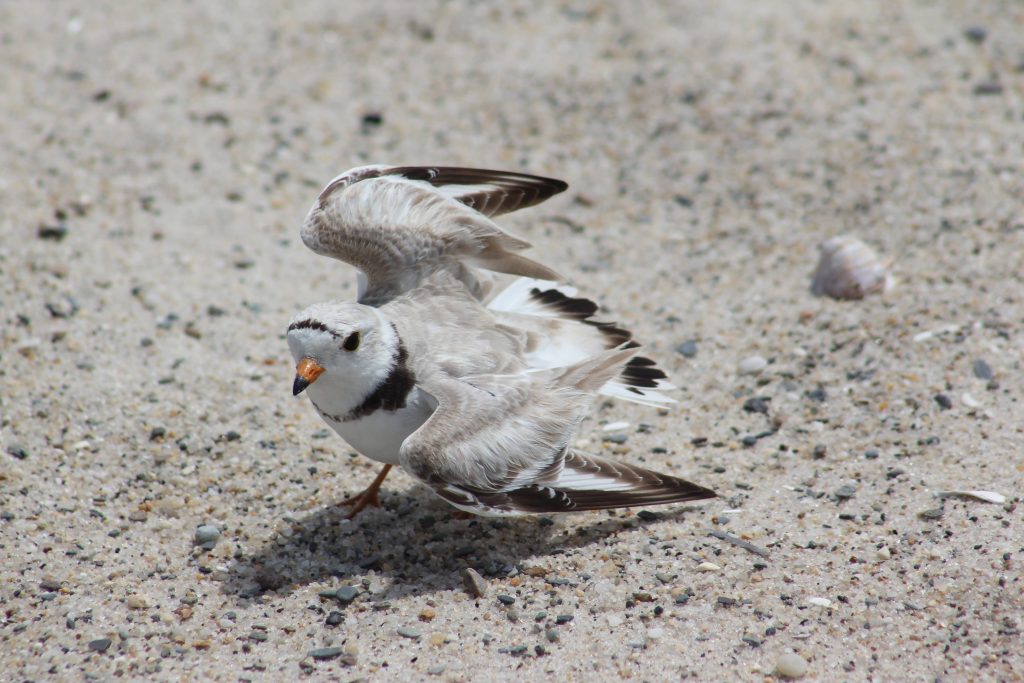
In the summer, federally protected birds like the piping plover, American oystercatcher, and roseate tern build their nests right on the sand and raise their chicks here during the busiest time of year. Each fall, shorebirds like red knots, whimbrels, and ruddy turnstones undertake incredible migratory journeys spanning thousands of miles. In the winter, waterfowl like common eiders rest and feed on our beaches and nearby waters. These birds are the super-athletes of the animal world, and they rely on Monomoy NWR as a safe and dependable place to take a ‘pit-stop’ so they can rest and refuel before continuing their voyage.
In addition to serving as a Western Hemisphere Shorebird Reserve Network (WHSRN) Site of Regional Importance, Monomoy NWR is designated as Important Bird Area in the state of Massachusetts. The refuge also supports the largest nesting colony of common terns on the Atlantic seaboard.
Activities that seem harmless, like walking your dog on the beach, can cause a lot of distress to shorebirds. Next time you are on the beach, watch out for these signs that a bird is disturbed:
Did the bird fly away when you approached it?
Did the bird stop feeding and start walking away or look at you on alert?
Did the bird call out or act like it was injured to draw you away from its young?
If you noticed any of these bird behaviors, then you are too close. Try moving away and rounding your path around the flock or individual bird to give them plenty of space.
Links
Contact Information
Please visit the USFWS Monomoy National Wildlife Refuge website for our contact details, as well as more information on how to responsibly recreate at Monomoy NWR.
See our Facebook page for updates and events at the refuge!