How to have a bird-friendly visit to the beach
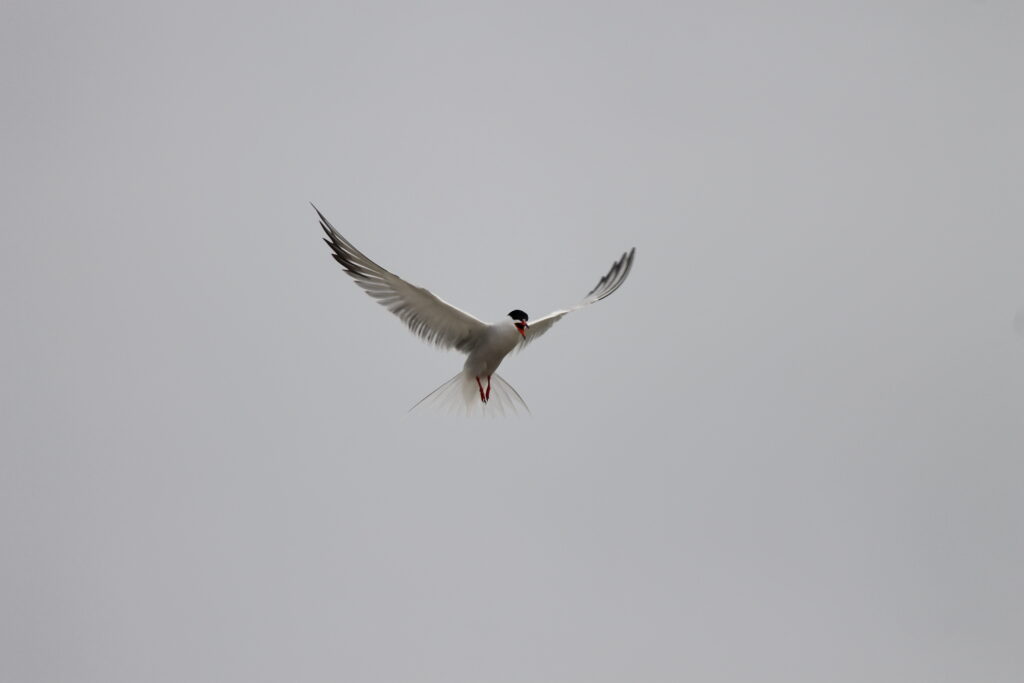
Rockaway Beach
Thank you for taking the extra step
Thank you for helping our beach nesting shorebirds by limiting disturbance at the Rockaway Beach Endangered Species Nesting Area. By taking the extra step and staying out of fenced areas, you give these small, winged New Yorkers space to nest, feed, and rest.
Thank you for taking the extra step!
While visiting Rockaway Beach Endangered Species Nesting Area, be sure to look for signs notifying you to open pathways for shoreline access. During periods of closures signs will direct you to the nearest beach access point. There will be times you have to take the extra step and walk on the boardwalk to navigate around closures. Closures give shorebird families a safe space to care for their eggs and chicks. The shoreline provides these growing families with all the food they need.
Less human disturbance can lead to a shorter and more successful nesting season. When chicks fledge successfully on the first nesting attempt, areas of the beach can re-open sooner.
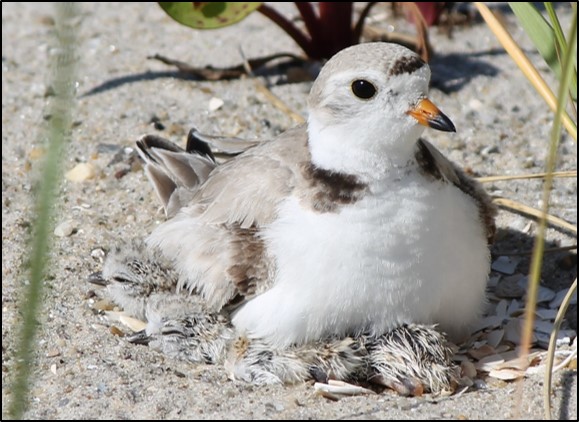
Piping Plover with chicks on Rockaway Beach | NYC Parks
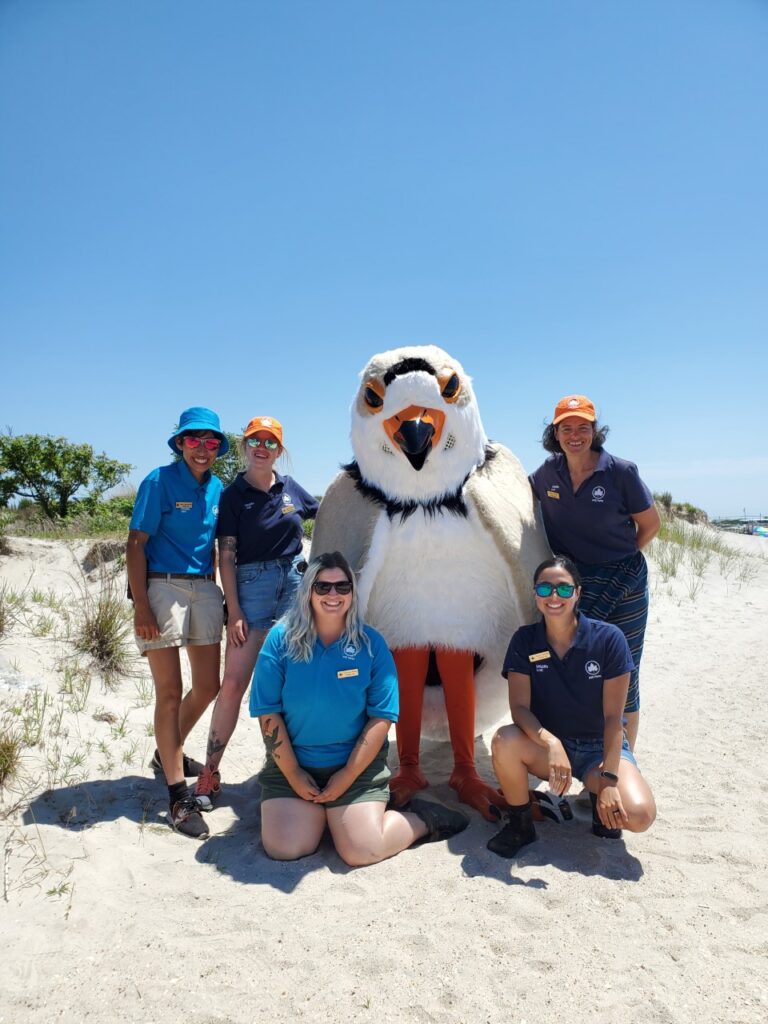
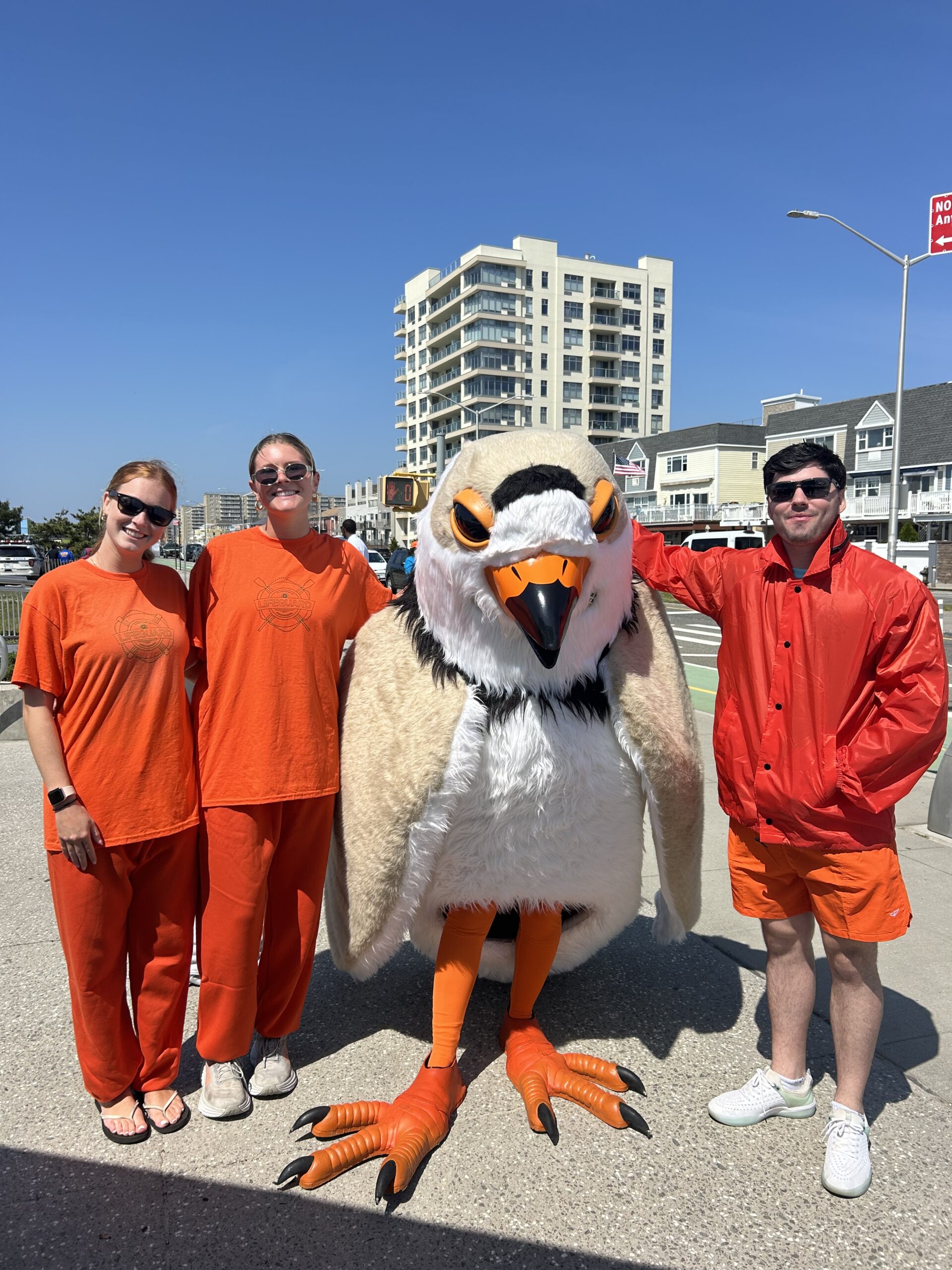
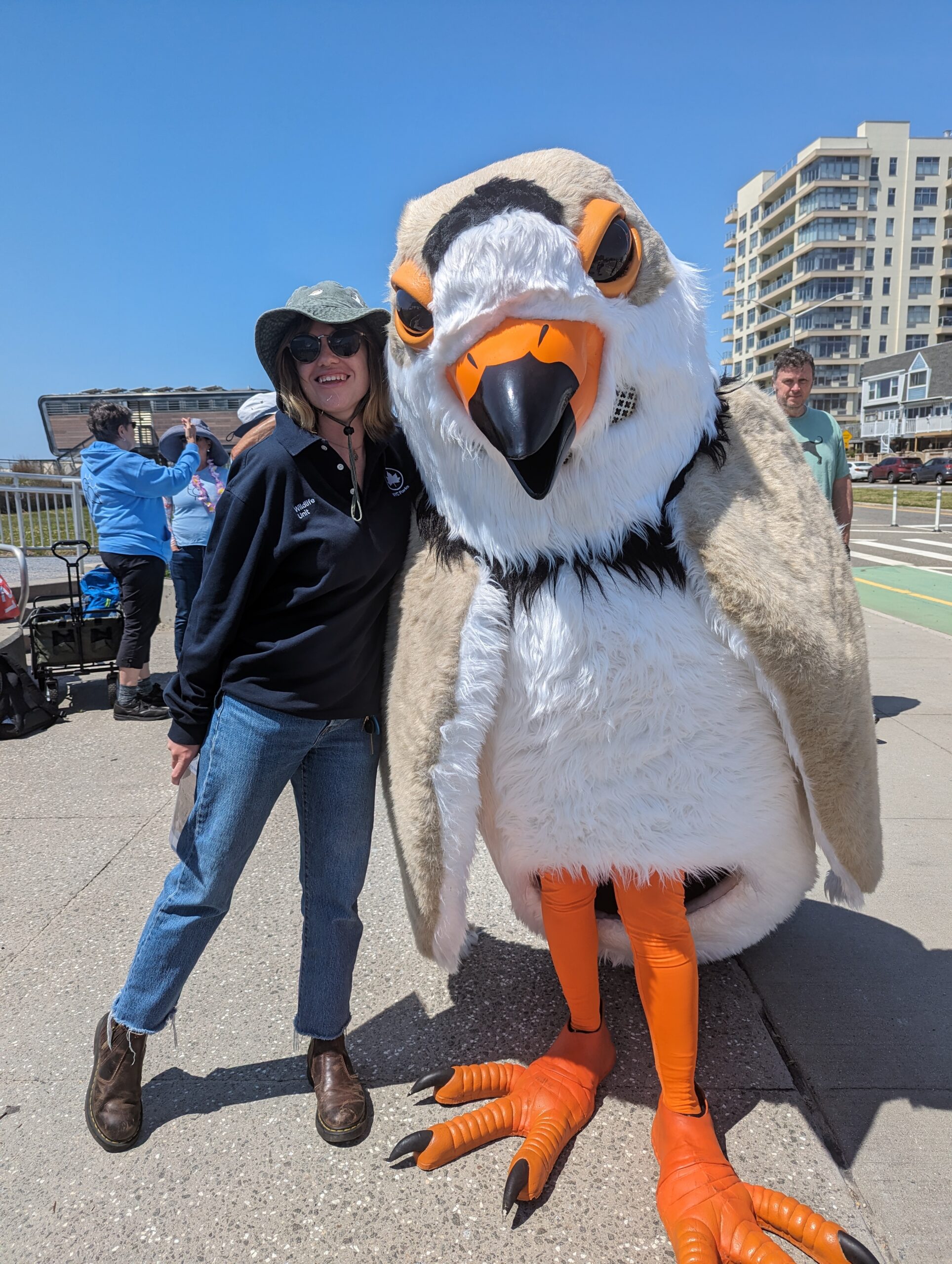
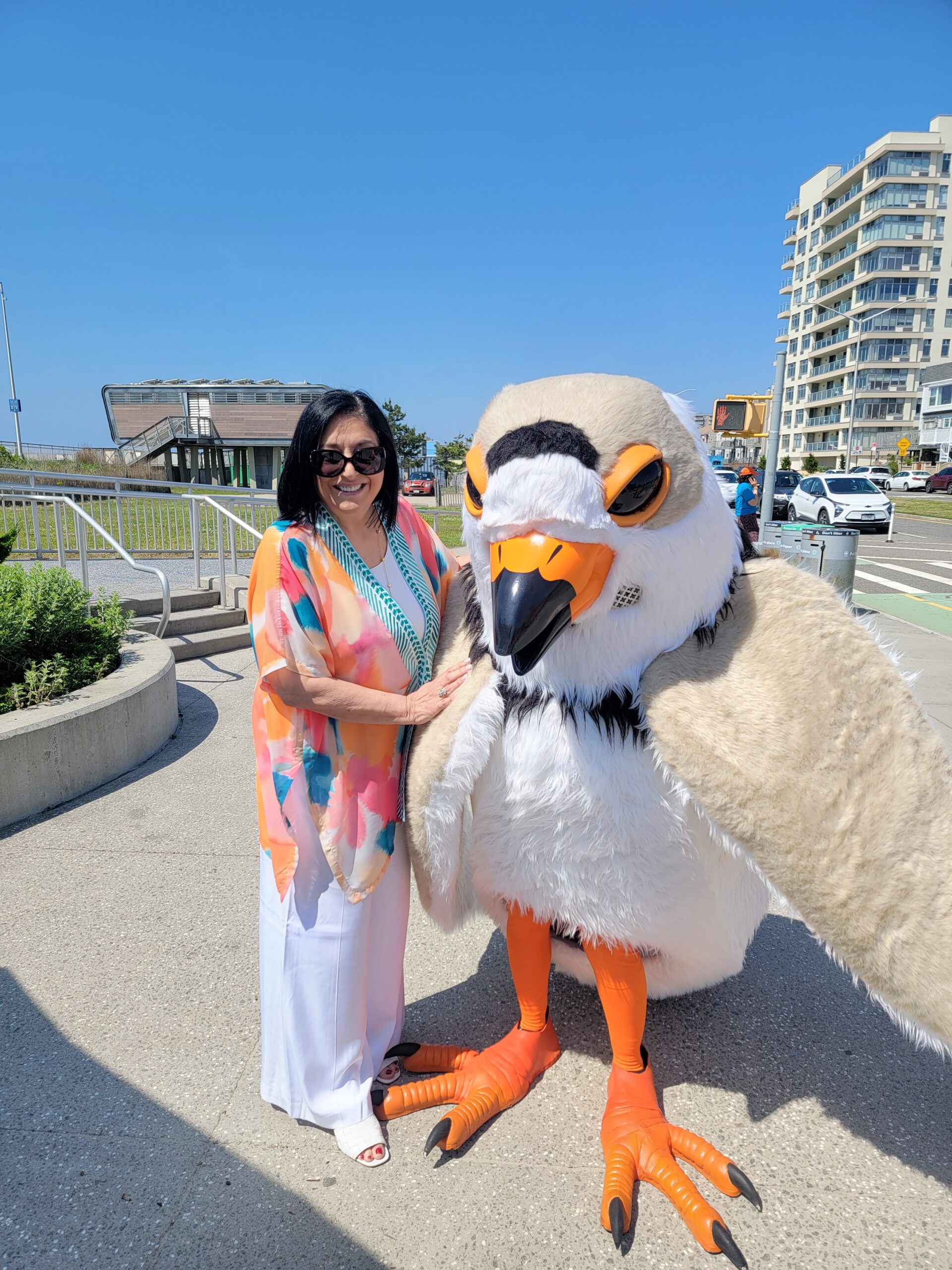
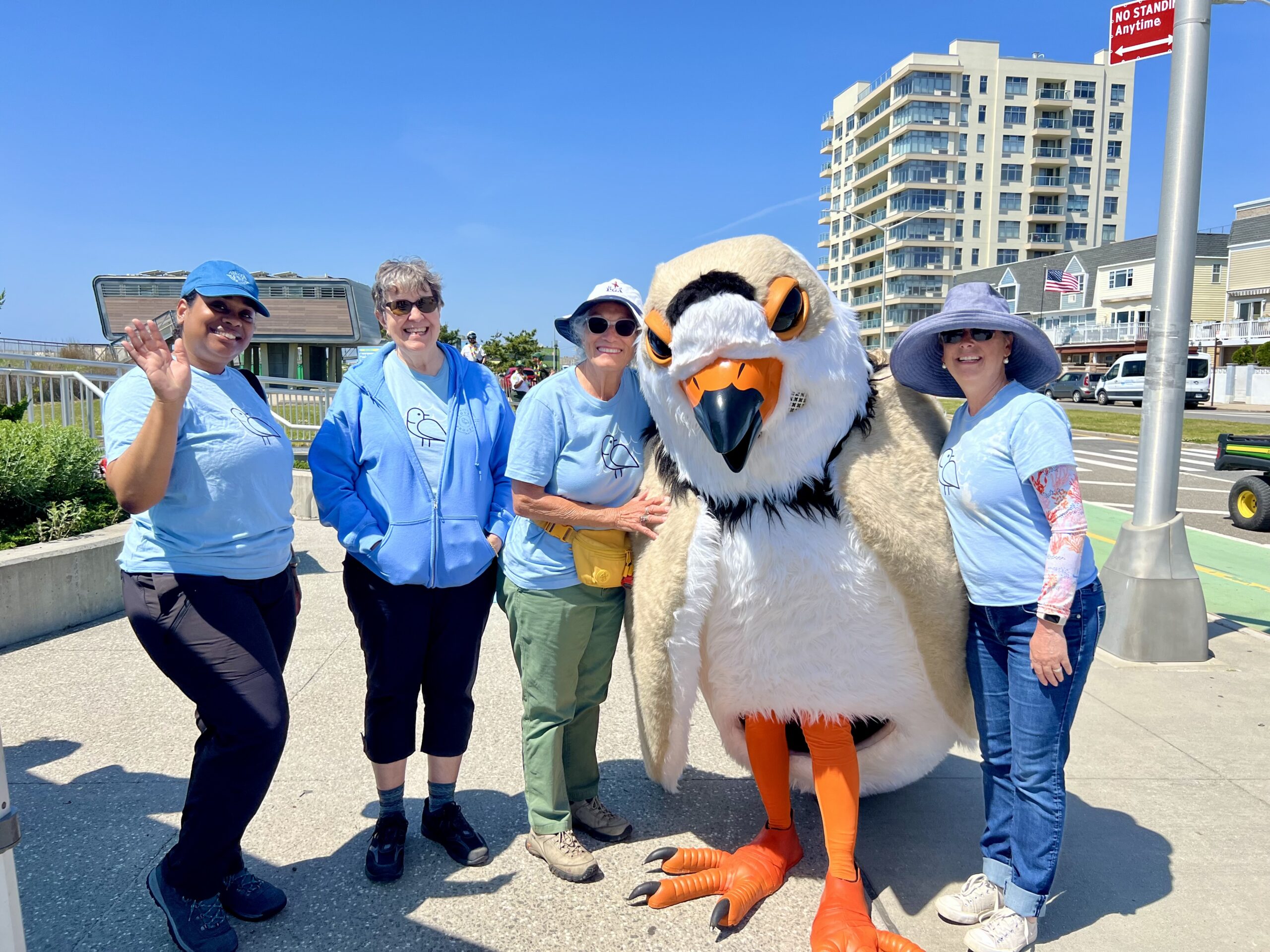
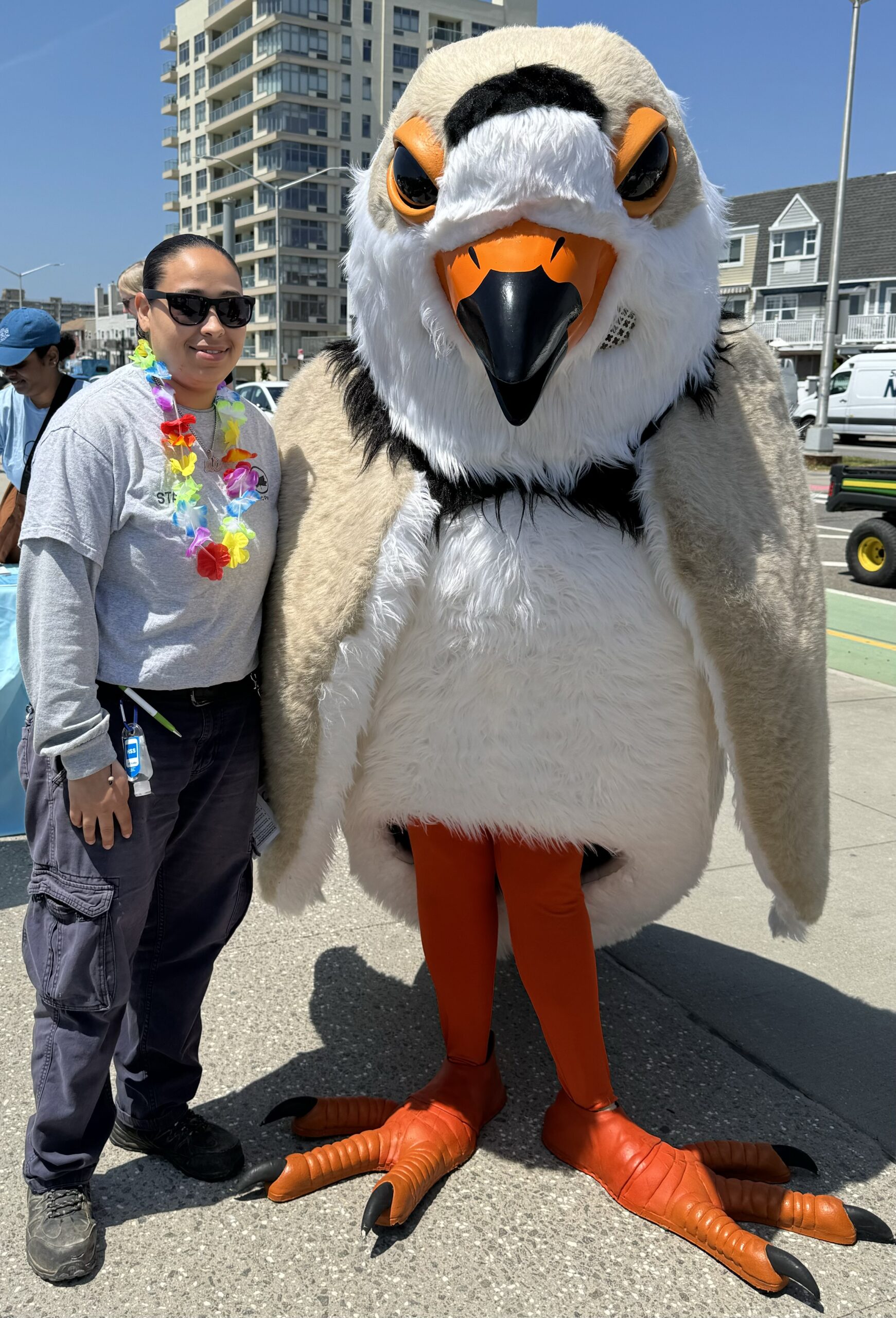
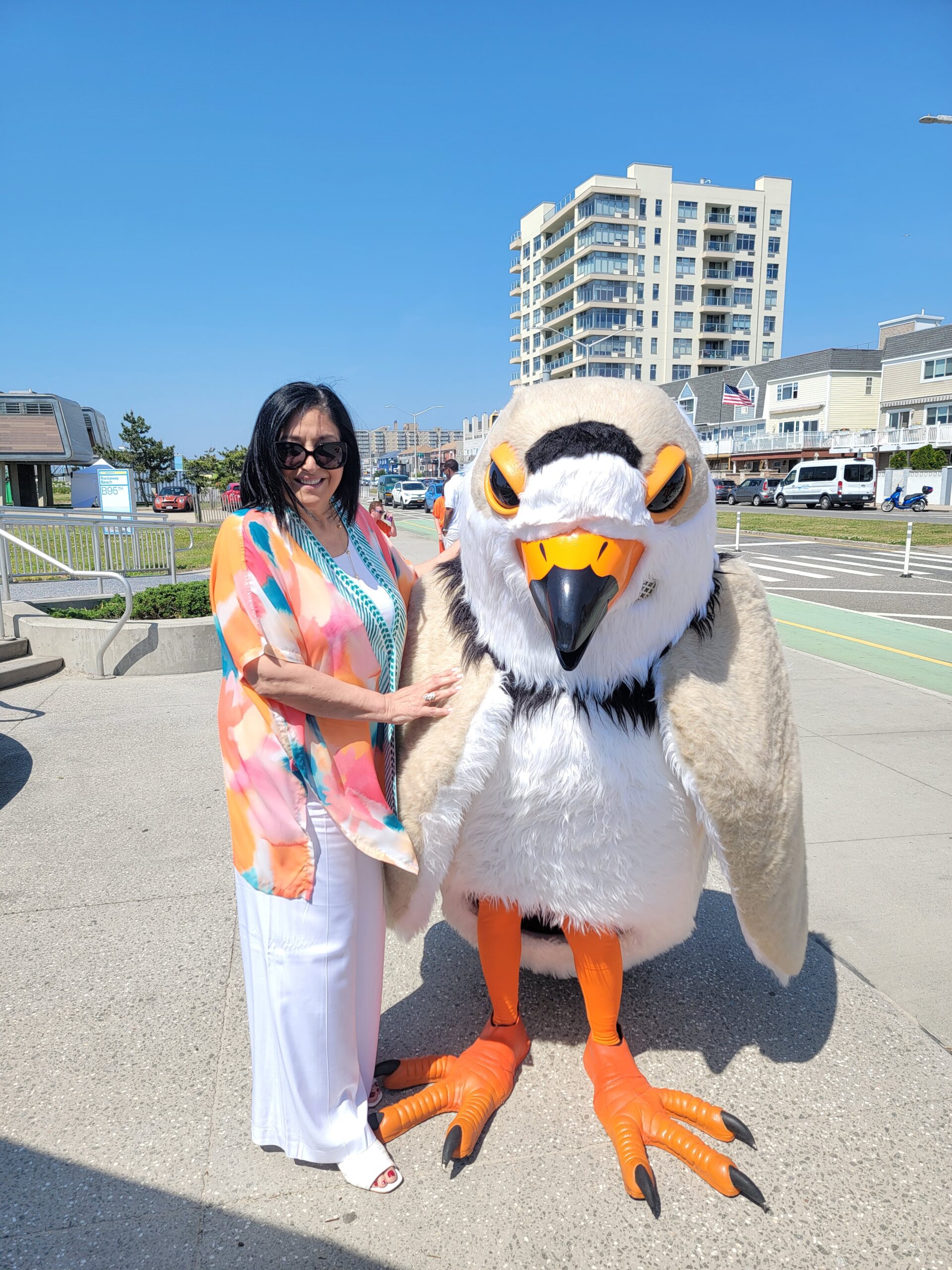
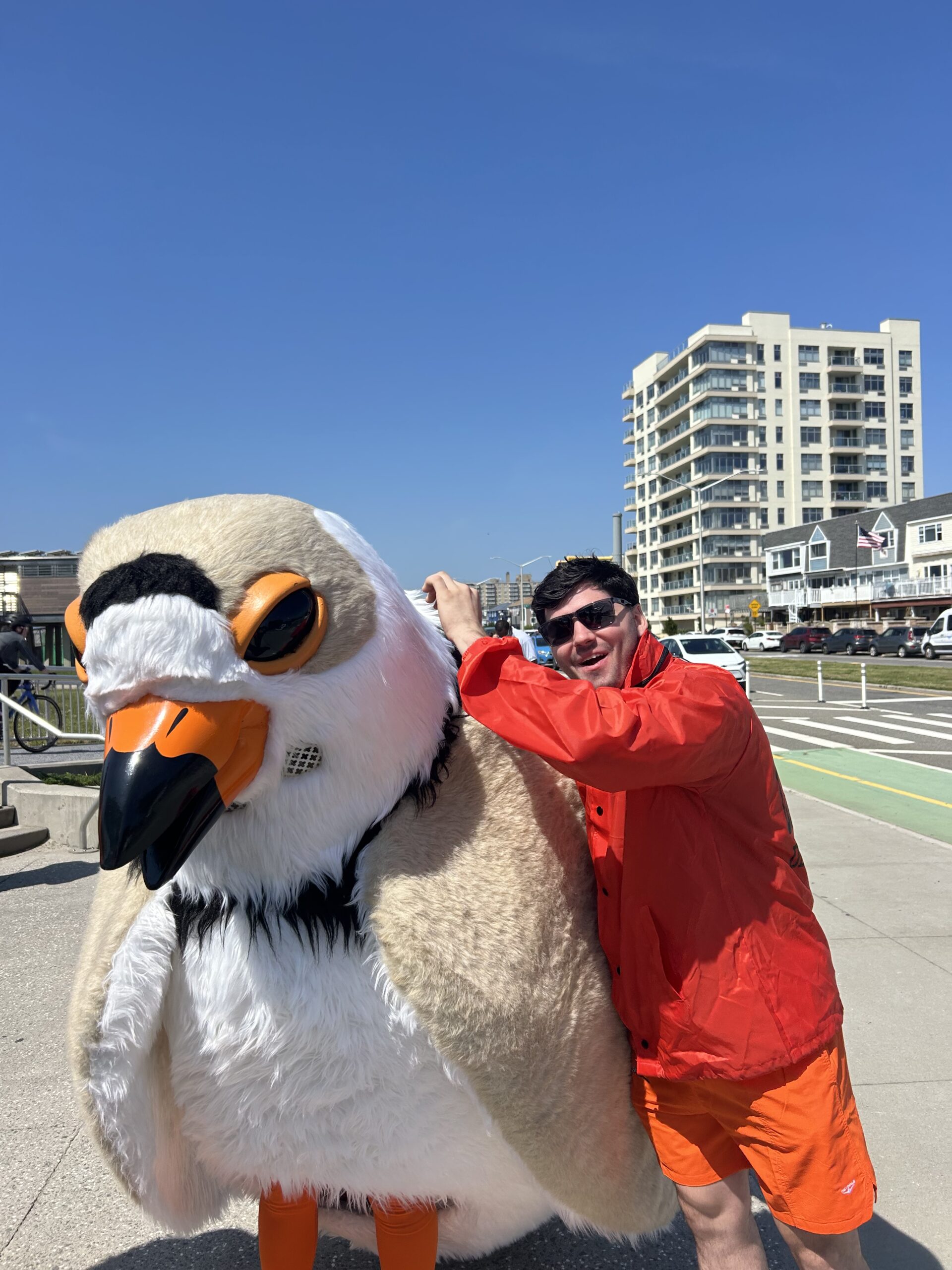
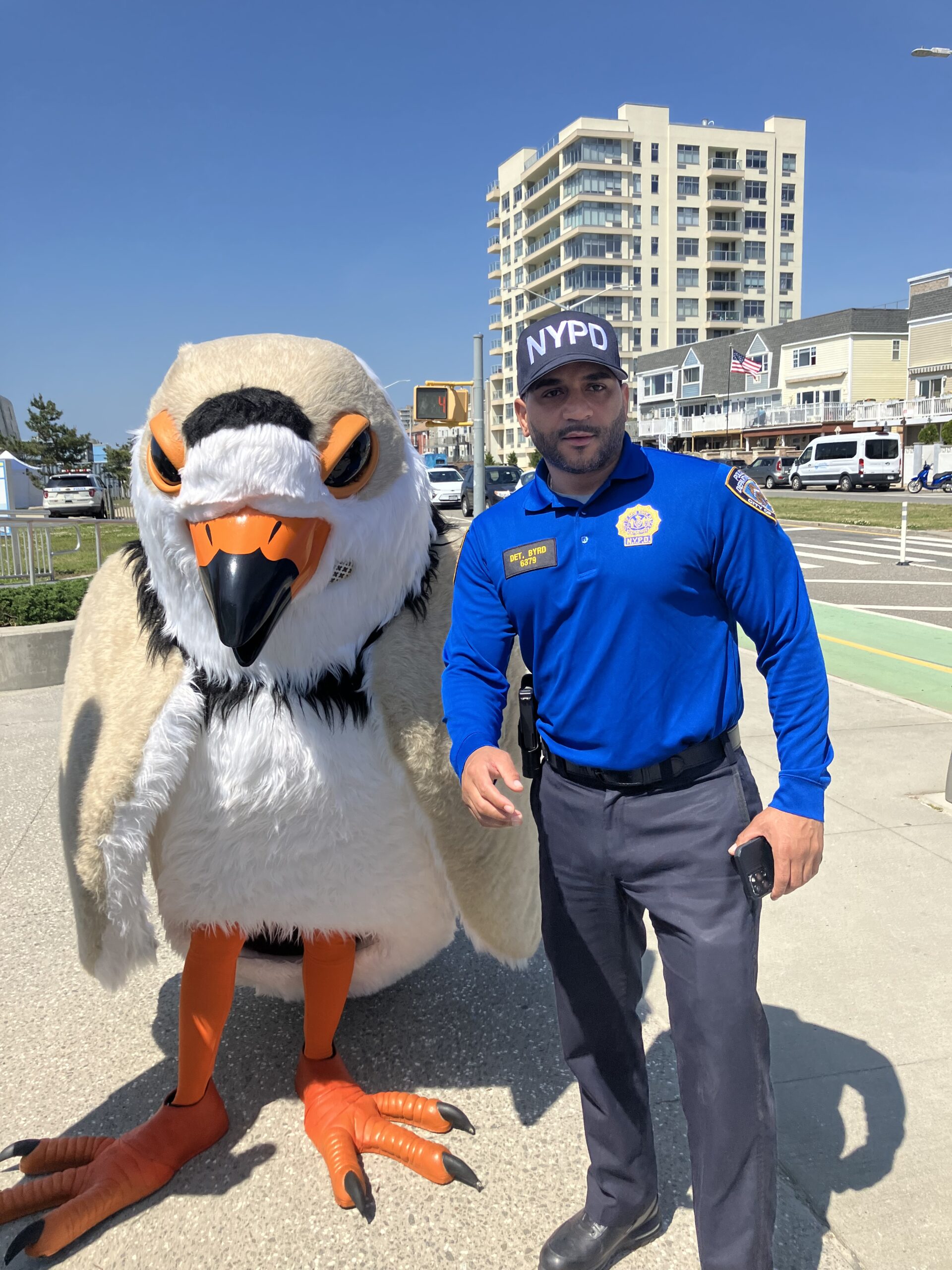
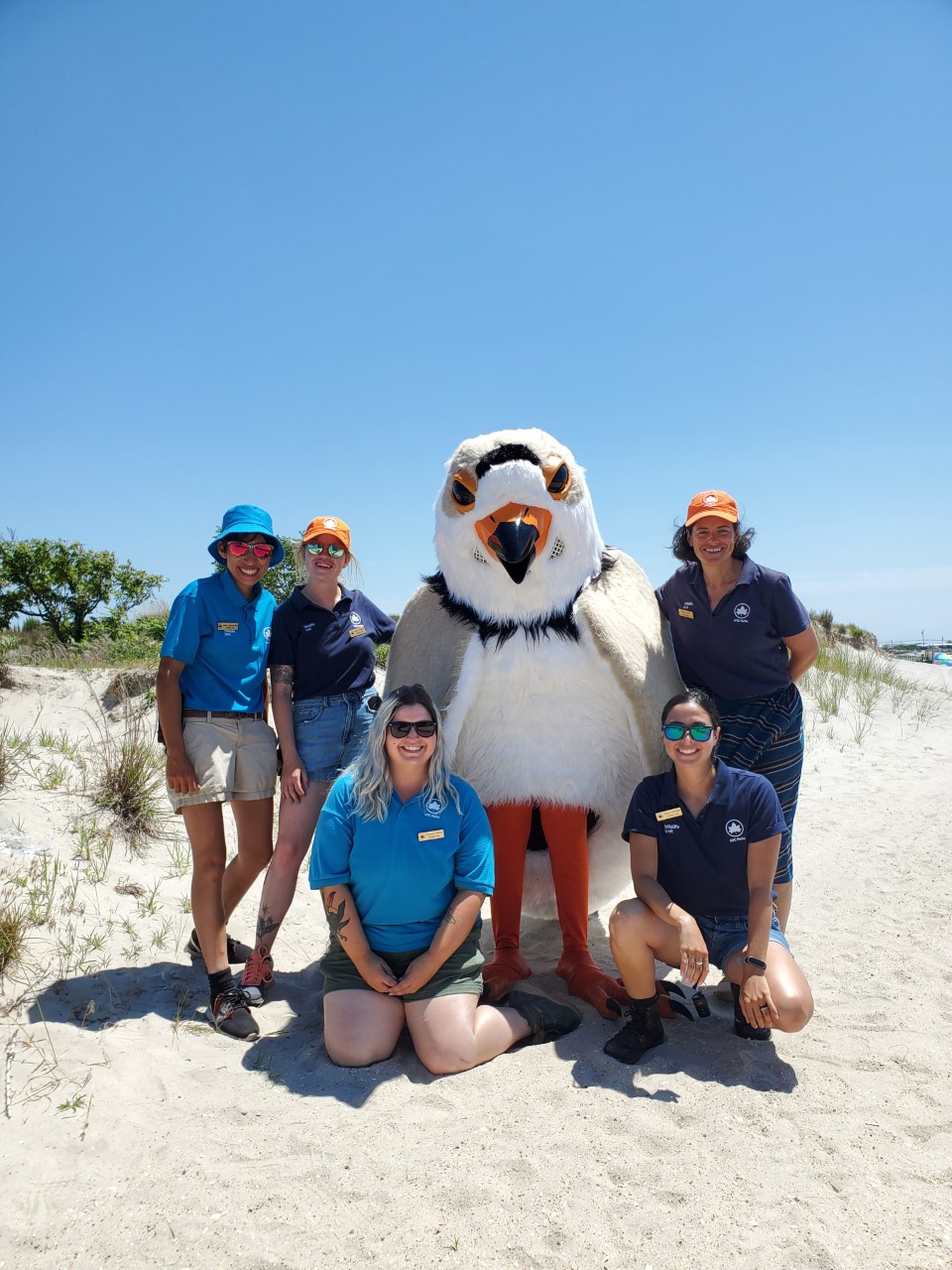
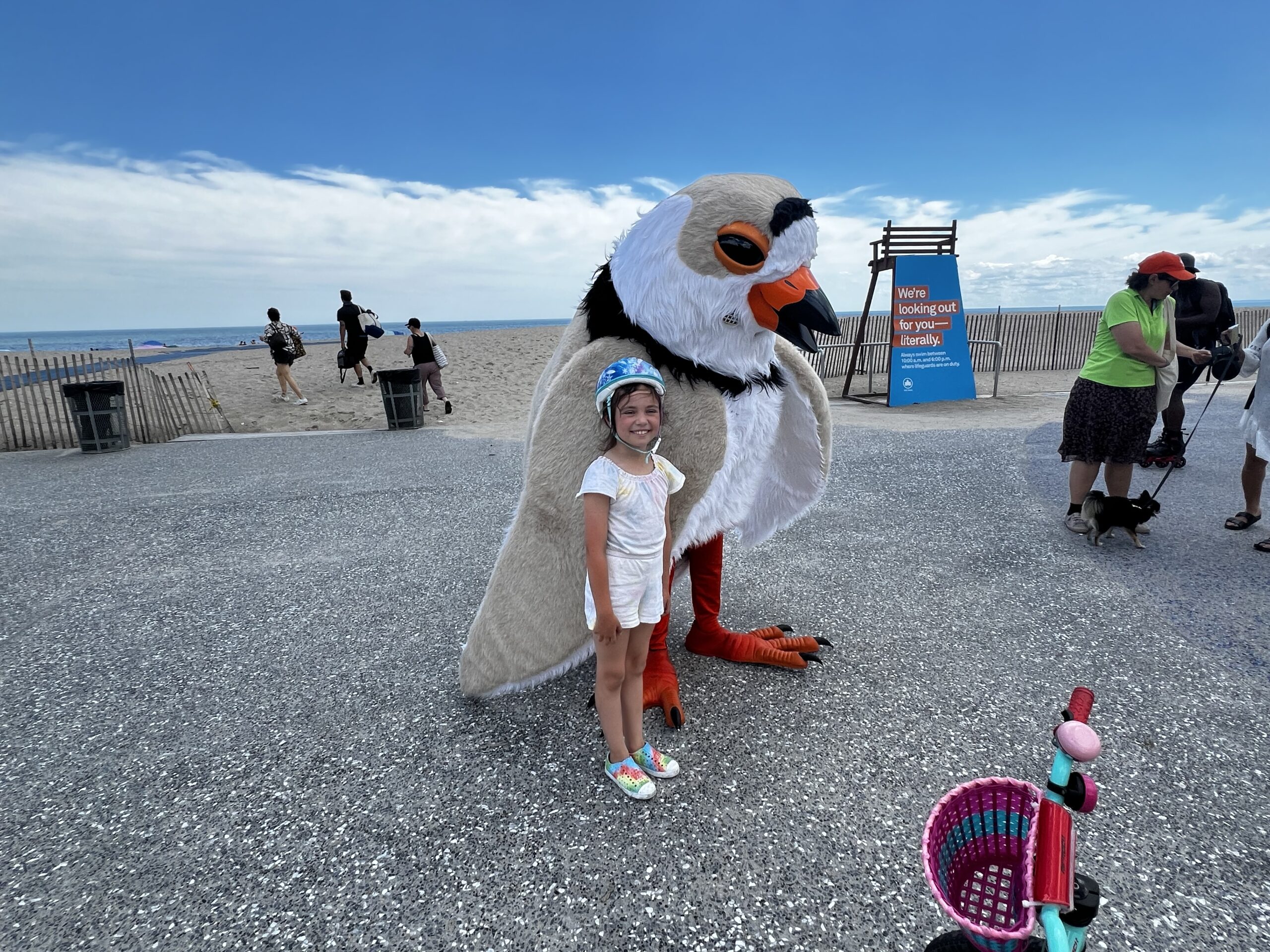
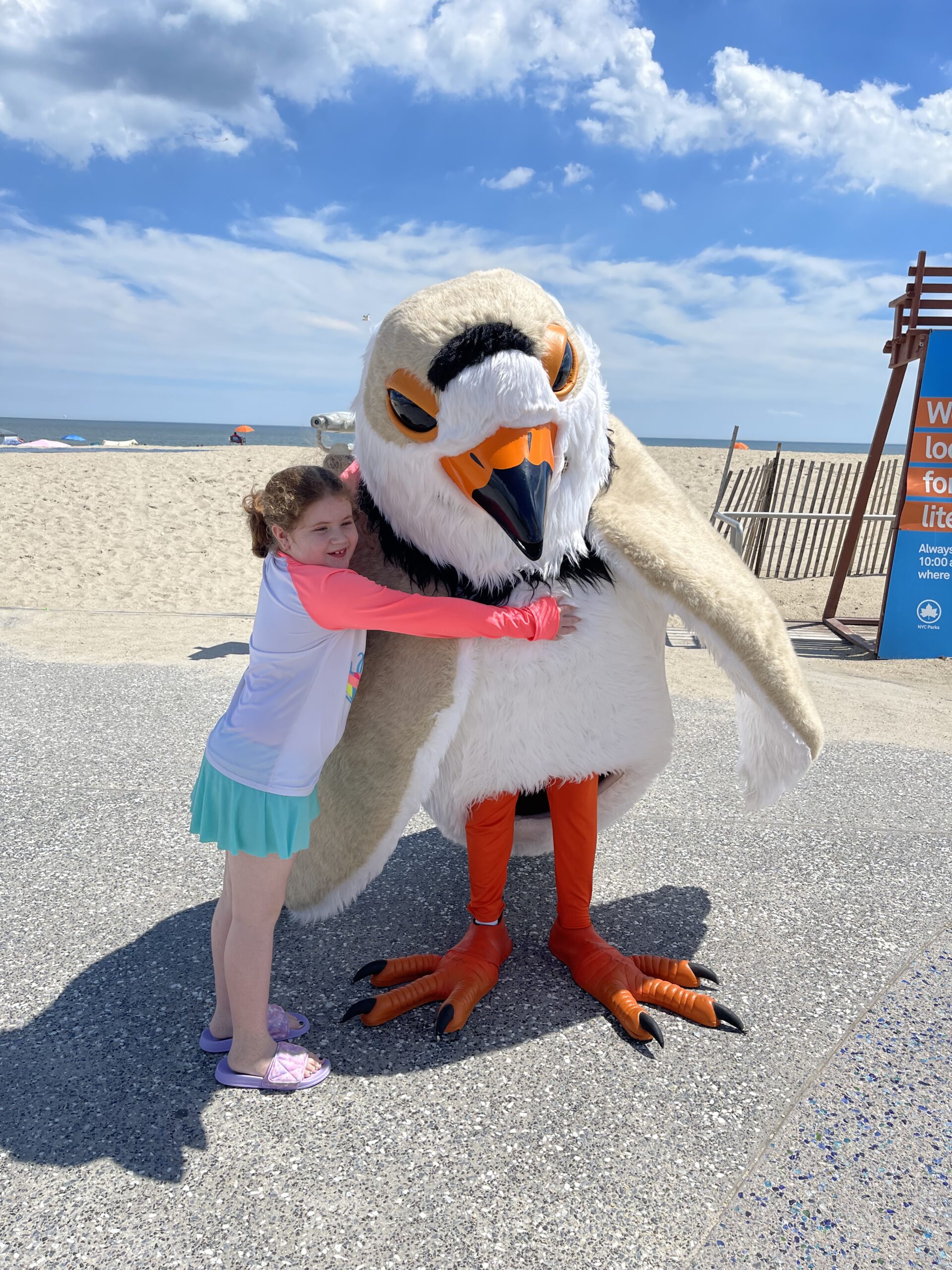
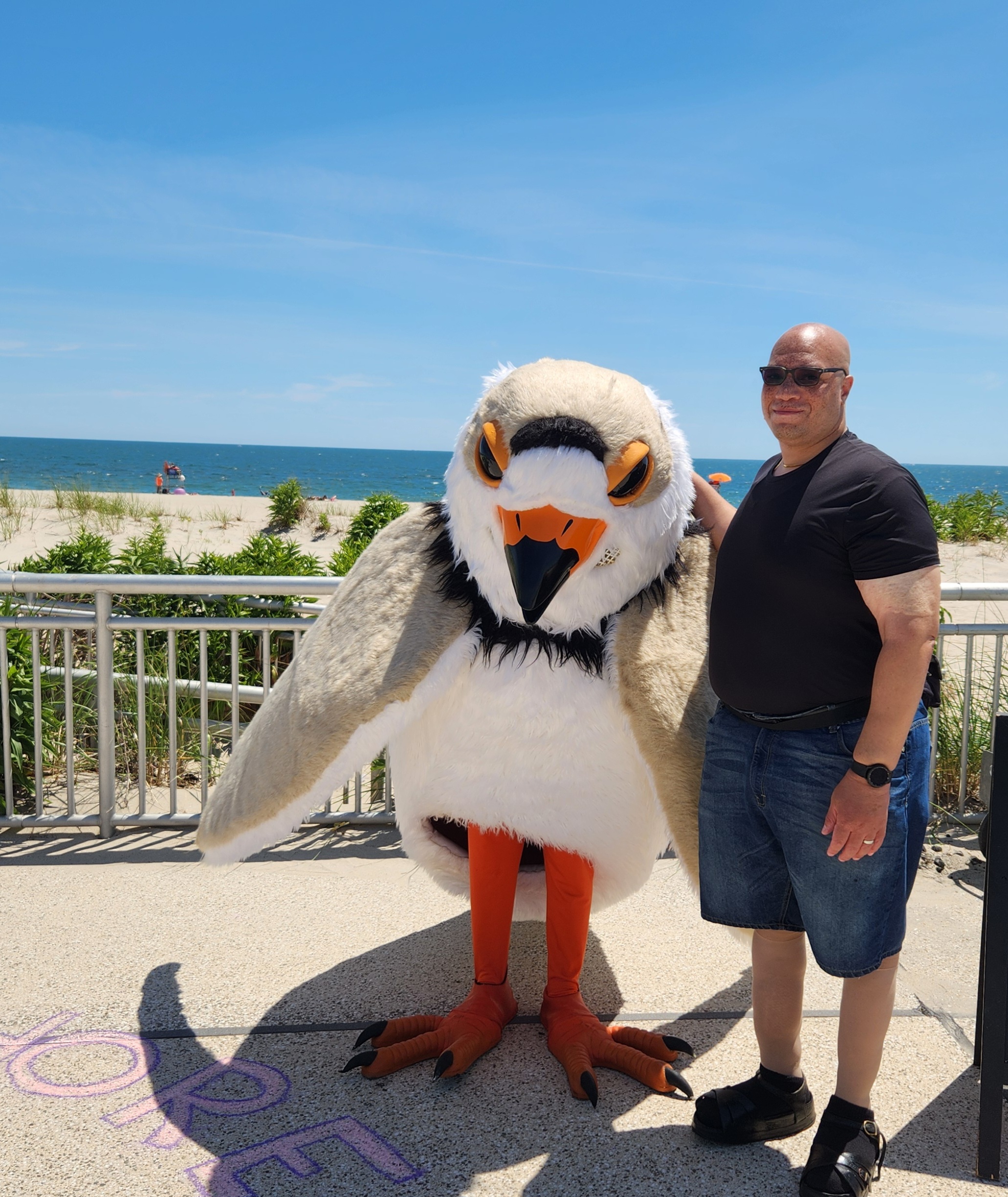
Rocky Piper | NYC Parks
You can help by spreading the word!
We would love to hear from you! Let us know about your visit to Rockaway Beach, and feel free to attach a picture of you taking the extra step to protect birds and their habitat!
Thank you for your support in protecting our avian neighbors.
Take the pledge to coexist with wildlife!
Check for event flyers at the Community Building at Beach 44th Street and your local boardwalk parks. For more wildlife-related events, visit the New York City Department of Parks & Recreation website.
Rocky Piper Sightings
An important place for birds
Since 1996, Piping Plovers have been nesting at Rockaway Beach. Each summer, we see over 15 pairs of Piping Plovers, 30 pairs of American Oystercatcher and hundreds of terns and skimmers. The majority of these beach nesting birds come to the Arverne-Edgemere section of Rockaway Beach. The habitat available here allows the Piping Plover and other threatened shorebirds and plants to have a home for the summer in NYC.
Shorebirds face many challenges in addition to habitat loss like climate change, predation, and human disturbance. Rockaway Beach provides a safe haven for shorebirds to raise their families and improve the survival of their species in NYC for generations to come.
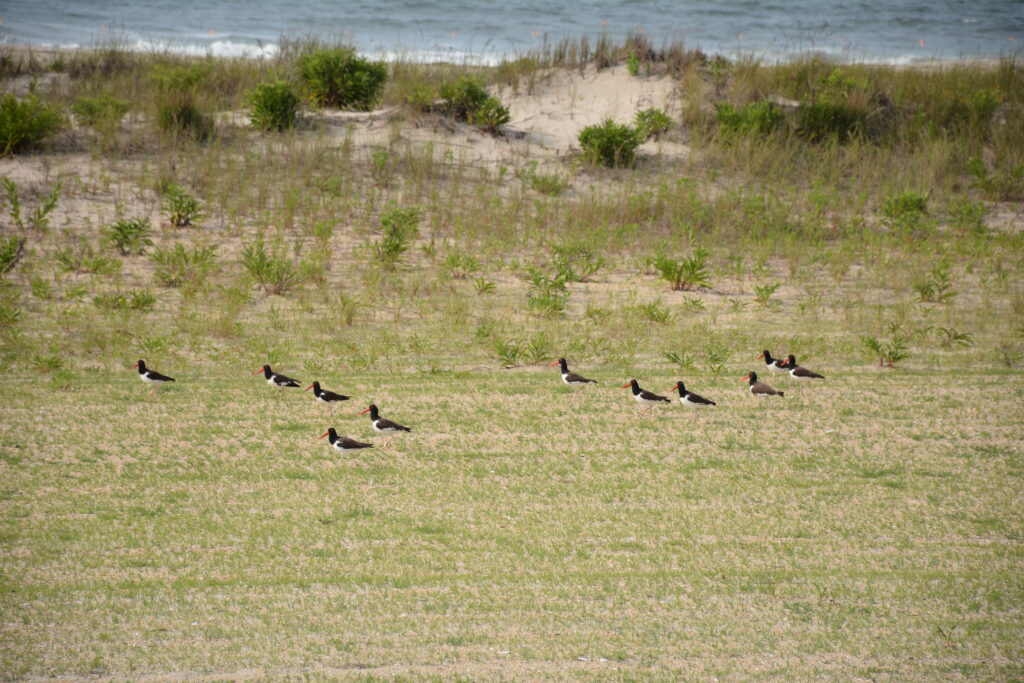
American Oystercatchers | NYC Parks
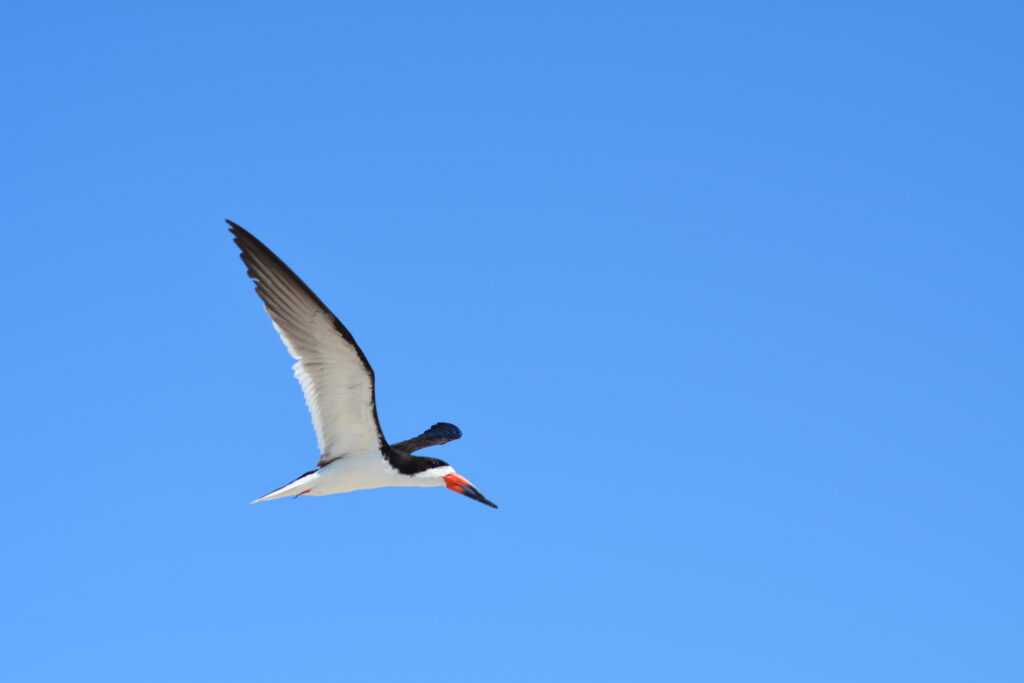
Black Skimmer | NYC Parks
Activities that seem harmless, like kids chasing birds, can actually cause a lot of distress to shorebirds. Next time you are at the beach, watch out for these signs that a bird is disturbed:
Did the bird fly away when you approached it?
Did the bird stop feeding and start walking away or look at you on alert?
Did the bird call out or act like it was injured to draw you away from its young?
If you noticed any of these bird behaviors, then you are probably too close. Try rounding your path to walk farther around the flock or the individual bird.
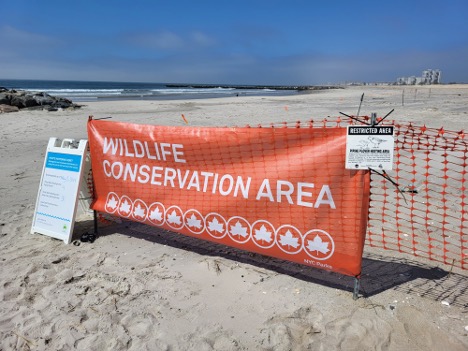
Site boundary at Beach 39th street displaying “Wildlife Conservation Area” signage and A-Frame board with breeding bird stats, and shoreline status
Beach closure FAQ
- What: Rockaway Beach is used by piping plovers and other threatened shorebirds for breeding each summer. Following guidelines set by the U.S. Fish and Wildlife Service, sections of the beach are closed to pedestrians and vehicles during the birds’ breeding season. These closures protect nesting shorebirds during egg-laying and incubation, while additional temporary shoreline closures help safeguard chicks after they hatch.
- Where: The stretch of beach from Beach 39th Street to Beach 57th Street (Arverne-Edgemere) is pre-fenced with posts, string, banners, and signage that serve as symbolic fencing to protect the upper beach for nesting. Most birds return to nest in this area each year. A smaller area from Beach 20th Street to Beach 23rd Street (Far Rockaway) is also symbolically fenced. When a plover nests outside of these areas, additional fencing is put up around each nest.
- When: Symbolic fencing is initially set up late March, just as the piping plovers begin to arrive. When chicks begin to hatch (usually around early May), the fencing is extended to close the shoreline to both pedestrians and vehicles. These closures can last until July or August when the birds fledge. The closures are dynamic, meaning NYC Parks will lift restrictions when there is opportunity to re-open parts of the beach. Small patches of symbolic fencing may remain into August and September, protecting the endangered plant seabeach amaranth.
- Beach 38th Street and Beach 59th Street
- From Beach 38th Street you can walk east, and from Beach 59th Street you can walk west with no restrictions.
- For swimming beaches with lifeguards, be sure to check the NYC Parks website: https://www.nycgovparks.org/facilities/beaches/4
- When the shoreline is open, there are pathways from the boardwalk to the shoreline at Beach 47th Street and Beach 52nd These pathways will be open when the symbolic fencing area is initially set up (Late March). The pathways are closed when a piping plover nests within 50 meters of the path, or when the shoreline is closed.
- When walking on the sand, if you see an area marked with orange string and orange flagging, and/or orange “Wildlife Conservation Area” banners, it means that area is closed. For specific information on closures and where the nearest open beach is, look out for A-frame boards on the sand or on the boardwalk. These signs will be on the boardwalk at several beach entrances between Beach 38th and Beach 57th
- When on the boardwalk, if a beach entrance gate is locked, it means that area of the beach is closed.
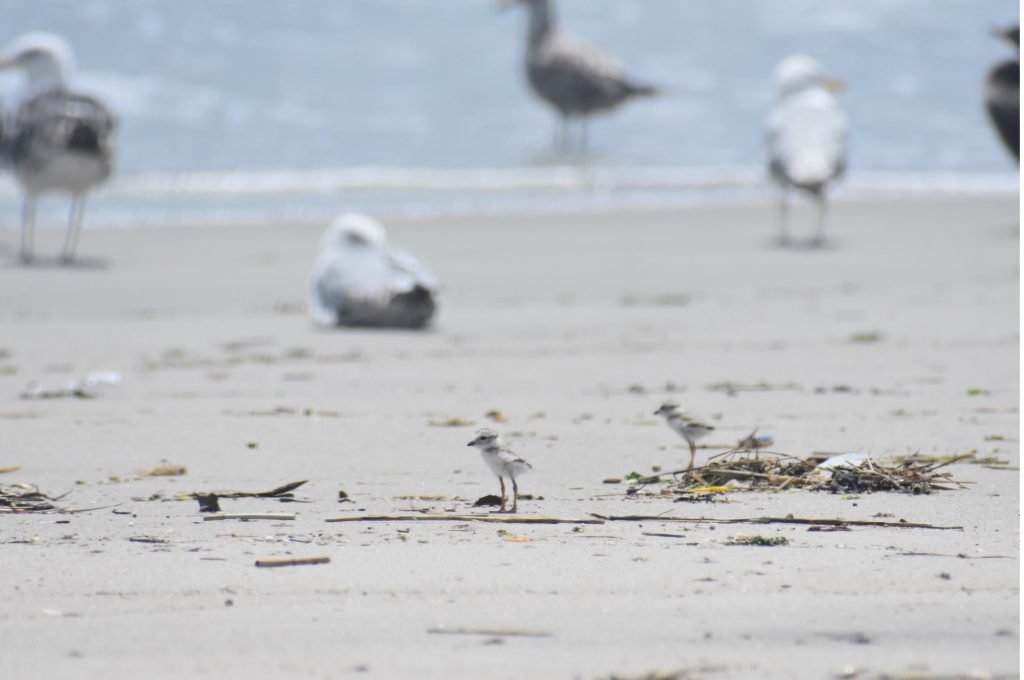
Piping plover chicks at the protected shoreline
Shorebird FAQ
- Bird numbers vary annually and through the seasons. The Arverne-Edgemere section of Rockaway Beach has supported up to 16 breeding pairs of piping plovers, along with dozens of American oystercatcher pairs and tern colonies that can sometimes contain hundreds of birds. Aside from the birds that use the site to breed, in the fall and winter a variety of species use the beach as a migration spot to rest and refuel.
- Some of the A-frame signs located on the sand, or along the boardwalk will also contain information on current nesting stats. Here you can read about how many plover and oystercatcher pairs are present. It will also have an estimate of the tern and black skimmer colony sizes.
- Shorebirds like the piping plover require undisturbed and open sandy beaches to lay their eggs and raise their chicks. Plovers also have high site fidelity, meaning they will return to where they were born and where they have nested before. Piping plovers have been protected by NYC Parks in Rockaway since 1996. The entire beach, from Beach 9th Street to Beach 147th Street, is searched for nesting shorebirds. However, most nesting birds are usually found concentrated in two areas: Arverne-Edgemere and Far-Rockaway.
- Arverne-Edgemere has the highest concentration of nesting shorebirds and is pre-fenced accordingly. Historically, piping plovers have nested in other areas across Rockaway Beach, like the Beach 60th Street blocks. High recreational use and continuous beach raking makes areas like this harder for plovers to successfully nest at.
- In NYC you can also find piping plovers nesting at Fort Tilden and Breezy Point. Across Long Island you can find piping plovers nesting on beaches on the South Shore and the North Shore. The Town of Hempstead, the Hamptons, and Fire Island are a few spots that support a lot of nesting plovers across the island.
- Be sure to check out the Parks website! The Parks stewardship team hosts beach cleanups https://www.nycgovparks.org/reg/stewardship and the NYC Park Rangers host educational programs and beach walks! https://www.nycgovparks.org/programs/rangers
- If you would like to get involved with being a shorebird steward you can volunteer with NYC Plover Project https://nycploverproject.org/
- You can always help by respecting stringed off areas, obeying all posted no dog rules, keeping a distance from wildlife, not feeding wildlife, and sharing these tips with your friends and family!
Home Sweet Home
The beach is a place for birds and people
Contact Information

Learn more about Rockaway Beach
- Check out the Rockaway Beach and Boardwalk
- Prepare for your visit to Rockaway Beach by learning more about the beach rules
- Learn more about Piping Plovers at Rockaway Beach and the Endangered Species Nesting Area and how NYC Parks protect rare and at-risk wildlife
- Learn more about the NYC Plover Project